 The Good Part
Why Sloths Turn Green
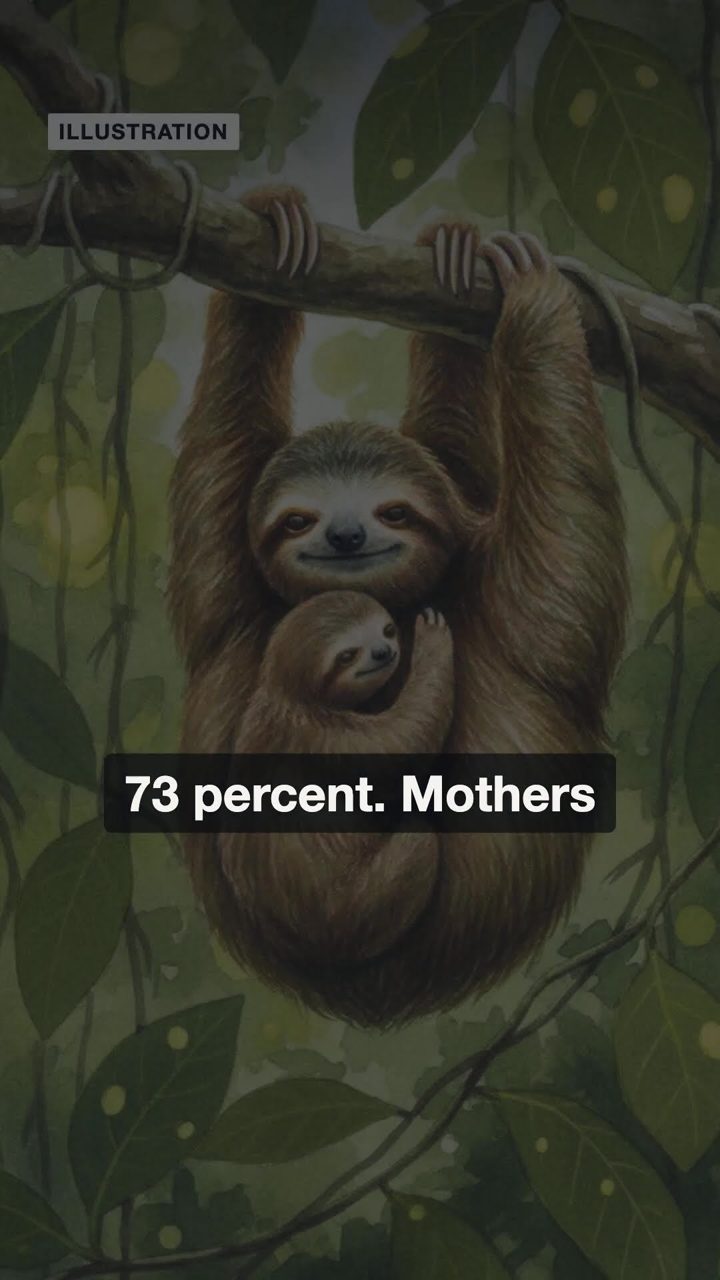
This animal is slowly turning green. A sloth's hair is long and coarse, scored with grooves or cracks, and unlike most fur it soaks up water. That makes a perfect home for algae. One species, Trichophilus welckeri, was described from sloth fur in 1841 and has never been documented anywhere else. In a study of 71 sloths, algae of its genus grew in the fur of 73 percent.
Mothers seem to pass the algae to their young, who carry it by a few weeks old. But why? The popular idea is camouflage, a green tint that helps a sloth blend into the leaves and hide from predators like harpy eagles. Yet scientists still call that a hypothesis. So the sloth really is turning green. Whether that green keeps it hidden, nobody has proved.
Where this comes from
- The sloth’s hidden friend : Revista Pesquisa FAPESP
- On Biology Sloth fur has symbiotic relationship with green algae
- Sloths, moths and algae: a surprising partnership sheds light on a mystery
- Can Moths Explain Why Sloths Poo On the Ground? | National Geographic
The narration is a synthetic voice; pictures are archive photographs or illustrations we generate, never of real people.